
Mastering the Stages of Product Creation: Your Ultimate Guide

Alright, buckle up. We’re diving headfirst into the wild, exhilarating world of product creation. If you’ve got a killer idea itching to break out of your brain and into the market, you’re in the right place. We’re not here to bore you with stiff jargon or endless theory. Nope. We’re here to give you the lowdown on the stages of product creation with punchy, no-nonsense insights that’ll have you sprinting toward launch day.
We’ve been in the trenches, crafting products that don’t just look good but sell like hotcakes. So, let’s get into the nitty-gritty of how to master the new product development process and turn your vision into a market-ready masterpiece.
The Stages of Product Creation: What You Need to Know
Every product starts as a spark - a flash of genius or a solution to a nagging problem. But turning that spark into a blazing success? That’s where the stages of product creation come in. Think of it as your product’s roadmap, guiding you from concept to customer.
Here’s the quick rundown:
Idea Generation - Brainstorm like a mad scientist. No idea is too wild.
Idea Screening - Kill the duds early. Focus on what’s viable.
Concept Development and Testing - Flesh out your idea and get feedback.
Business Analysis - Crunch the numbers. Will this product make money?
Product Development - Time to build a prototype.
Market Testing - Test the waters with real users.
Commercialization - Launch time. Get your product out there.
Post-Launch Review and Perfecting - Learn, tweak, and scale.
Each stage is a checkpoint. Nail these, and you’re on the fast track to product glory.
What is a new product development process?
Let’s break it down. The new product development process is the structured journey your idea takes from a simple concept to a tangible product that customers can’t live without. It’s a blend of creativity, strategy, and relentless testing.
Why does it matter? Because skipping steps or rushing can tank your product before it even hits the shelves. This process helps you:
Avoid costly mistakes
Understand your market inside out
Build products that solve real problems
Stay ahead of competitors
It’s not just about making something new; it’s about making something right.

Idea Generation and Screening: The Creative Chaos
This is where the magic begins. You want to unleash every idea, no matter how outlandish. Grab your team, whiteboards, sticky notes, or whatever fuels your creative fire. The goal? Generate a pool of ideas that could potentially solve a problem or fill a gap in the market.
But here’s the catch - not every idea deserves a spot on your product roadmap. That’s where idea screening comes in. Be ruthless. Ask:
Does this idea align with our brand and goals?
Is there a real market need?
Can we realistically develop this with our resources?
What’s the potential ROI?
Cut the noise and focus on ideas that have legs. This stage saves you time, money, and headaches down the line.
Concept Development and Business Analysis: From Dream to Dollars
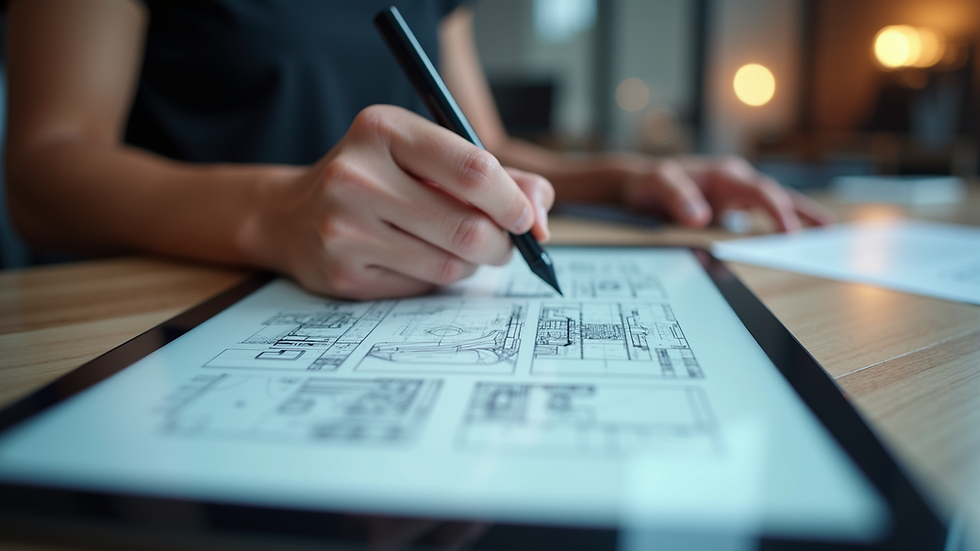
Once you’ve got your golden idea, it’s time to get serious. Develop a clear product concept. What exactly is it? Who’s it for? How does it work? This is where you create detailed descriptions, sketches, or even early mockups.
Next up: business analysis. This is the moment of truth. You need to figure out if your product idea can pay the bills and then some. Crunch the numbers:
What’s the cost of production?
What price can the market bear?
What’s the expected sales volume?
What’s the break-even point?
If the math doesn’t add up, don’t be afraid to pivot or scrap the idea. It’s better to know now than after you’ve sunk serious cash into development.

Product Development and Market Testing: Build, Test, Repeat
Now, the fun part - building your product. This is where your idea takes physical form. Whether it’s a sleek gadget, a software app, or a revolutionary kitchen tool, prototyping is your playground.
But don’t get too attached. The first version is rarely perfect. Use it to:
Test functionality
Identify design flaws
Gather user feedback
Then comes market testing. Put your prototype in front of real users. Watch how they interact with it. Listen to their feedback. This is pure gold. It tells you what’s working and what’s not.
Iterate fast. Fix issues. Improve usability. This cycle of build-test-repeat is what separates winners from also-rans.
Commercialization and Beyond: Launch Like a Boss
You’ve done the hard yards. Now it’s time to launch. But don’t just throw your product into the wild and hope for the best. Plan your commercialization strategy carefully:
Develop a killer marketing campaign
Train your sales team
Set up distribution channels
Prepare customer support
Remember, the launch is just the beginning. After your product hits the market, keep your eyes and ears open. Monitor sales, customer feedback, and market trends. Use this intel to refine your product and scale your success.
Why Mastering the Stages of Product Creation Matters
Here’s the deal - mastering these stages isn’t just about ticking boxes. It’s about building products that resonate, products that sell, and products that make a difference. When you own this process, you’re not just creating products; you’re creating legacies.
At Gross Design Studio, we live and breathe this process. We’re obsessed with great design and smart strategy, and we’re here to help you crush your product goals. So, whether you’re an inventor with a spark, a startup with big dreams, or a global brand looking to innovate, mastering these stages is your secret weapon.
Ready to turn your idea into the next big thing? Let’s get to work.
Stay sharp, stay creative, and keep pushing the boundaries of what’s possible.


Comments