
Mastering User-Focused Design Strategies: The Ultimate Guide to the User-Centered Design Process

Alright, buckle up. We’re diving headfirst into the world of user-focused design strategies — the secret sauce behind products that don’t just look good but actually work for the people who use them. If you want to turn your killer ideas into market-ready hits, understanding the user centered design process is non-negotiable. We’re talking about a design philosophy that puts users front and center, making sure every pixel, interaction, and feature serves a real human need.
We’re not here to bore you with jargon or stiff corporate speak. This is high-energy, no-fluff insight from a studio that lives and breathes great design. Ready to get your hands dirty? Let’s roll.
Why User-Focused Design Strategies Are Your Best Bet
Here’s the deal: no matter how shiny your tech or how slick your marketing, if your product doesn’t click with users, it’s dead in the water. User-focused design strategies flip the script. Instead of guessing what people want, you know because you’ve walked in their shoes.
Think about it like this: you wouldn’t build a house without knowing who’s going to live there, right? Same goes for products. When you nail user-focused design, you get:
Higher engagement - users stick around because the product feels intuitive.
Lower support costs - fewer headaches because the design anticipates user needs.
Faster adoption - people love sharing stuff that just works.
Stronger brand loyalty - users feel understood and valued.
At our studio, we obsess over these strategies because they’re the difference between a product that’s meh and one that’s a game-changer.
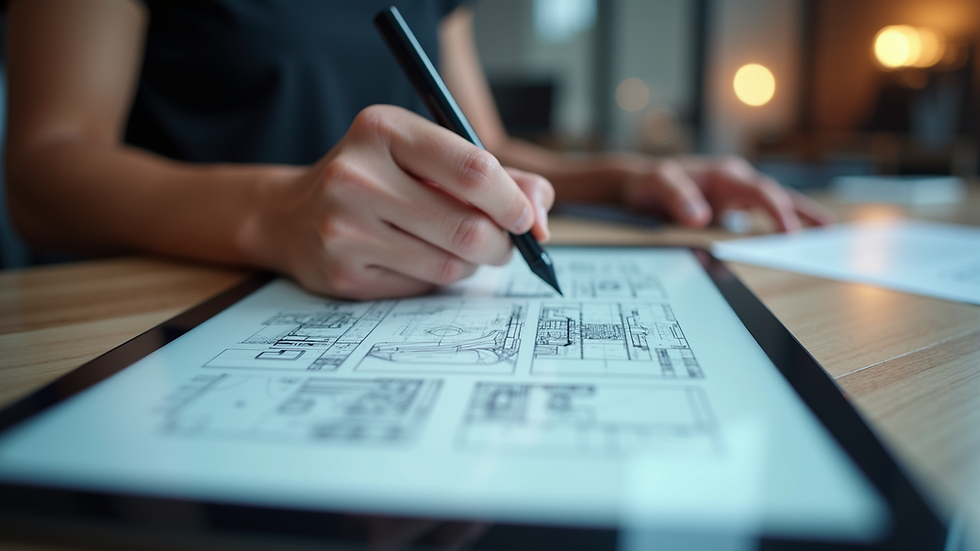
Breaking Down User-Focused Design Strategies: What You Need to Know
User-focused design isn’t a one-and-done deal. It’s a mindset, a workflow, a culture. Here’s how we break it down:
1. Empathy is Your Starting Point
You can’t design for users if you don’t understand them. We dive deep into user research — interviews, surveys, shadowing, and even a little bit of stalking (the ethical kind). The goal? Get inside their heads and hearts.
2. Define Clear User Goals
Once you know who you’re designing for, you need to map out what they want to achieve. This isn’t about your business goals (though those matter too). It’s about their goals. What problems are they trying to solve? What frustrates them?
3. Ideate Like Crazy
Now that you’ve got empathy and goals, it’s time to brainstorm. No idea is too wild. We sketch, prototype, and iterate fast. The best user-focused design strategies thrive on this creative chaos.
4. Test, Test, Test
Prototypes hit the real world early and often. We watch users interact, note where they stumble, and tweak accordingly. This cycle repeats until the product feels like second nature.
5. Launch and Learn
Even after launch, the work isn’t done. User feedback keeps flowing, and we keep refining. Great design evolves with its users.
This approach isn’t just theory — it’s how we help brands stay ahead in a cutthroat market.

What are the 5 stages of user-centered design?
If you want to get granular, the user-centered design process breaks down into five key stages. These stages keep the whole team aligned and laser-focused on the user:
Understand and Specify the Context of Use
Who are your users? What environments do they operate in? What tools do they already use? This stage is all about setting the scene.
Specify User Requirements
Translate your research into concrete needs. What features must your product have? What constraints exist?
Produce Design Solutions
Time to get creative. Sketches, wireframes, mockups — whatever it takes to bring ideas to life.
Evaluate Designs Against Requirements
Testing time. Gather user feedback and measure how well your design meets their needs.
Implement the Final Product
Build, launch, and keep iterating based on real-world use.
This cycle isn’t linear. It’s a loop that keeps spinning until you hit that sweet spot where users say, “Wow, this just works.”
How to Nail the User-Centered Design Process in Your Projects
Here’s where the rubber meets the road. We’ve seen startups and global brands alike stumble because they treat user-centered design like a checkbox. Spoiler alert: it’s not.
Here’s our playbook for making it work:
Start early, stay involved
Don’t wait until the product is half-built to bring users in. Early feedback saves time and money.
Cross-functional teams rock
Get designers, developers, marketers, and product managers in the same room. Diverse perspectives spark better solutions.
Use real data, not assumptions
Analytics, heatmaps, user recordings — these tools give you cold, hard facts about user behavior.
Prototype fast, fail fast
Don’t get married to your first idea. Build quick, test, and pivot.
Document everything
Keep track of decisions, feedback, and iterations. It’s gold for future projects.
By embedding these habits, you turn the user centered design process from a buzzword into a competitive advantage.
Beyond the Basics: Elevating Your User-Focused Design Game
If you want to go next-level, here are some pro tips we swear by:
Accessibility is non-negotiable
Design for everyone, including people with disabilities. It’s not just ethical — it expands your market.
Microinteractions matter
Those tiny animations and feedback loops? They make users feel in control and delighted.
Embrace storytelling
Craft user journeys that feel like narratives. People remember stories, not features.
Leverage AI and data smartly
Use machine learning to personalize experiences without creeping users out.
Keep an eye on emerging tech
AR, VR, voice interfaces — these are shaping the future of user interaction.
At our studio, we’re obsessed with pushing boundaries while keeping users front and center. It’s a wild ride, but the payoff is huge.
Ready to transform your ideas into products that users love? Mastering user-focused design strategies is your ticket. Remember, it’s not just about making things pretty — it’s about making things work, feel right, and keep users coming back for more. Let’s get designing!


Comments